
Did MH370 (9M-MRO) attempt to divert to Penang International Airport?
This theory is fully explained in this YouTube video. https://www.youtube.com/watch?v=73GArjoM1GE
For more MH370 Research and Analysis topics, visit my YouTube channel https://www.youtube.com/@9V-BBA
My analysis of the turn back at IGARI can be found in my Podcast with Sid. https://www.youtube.com/watch?v=ClDQqa6m-HY&t=230s
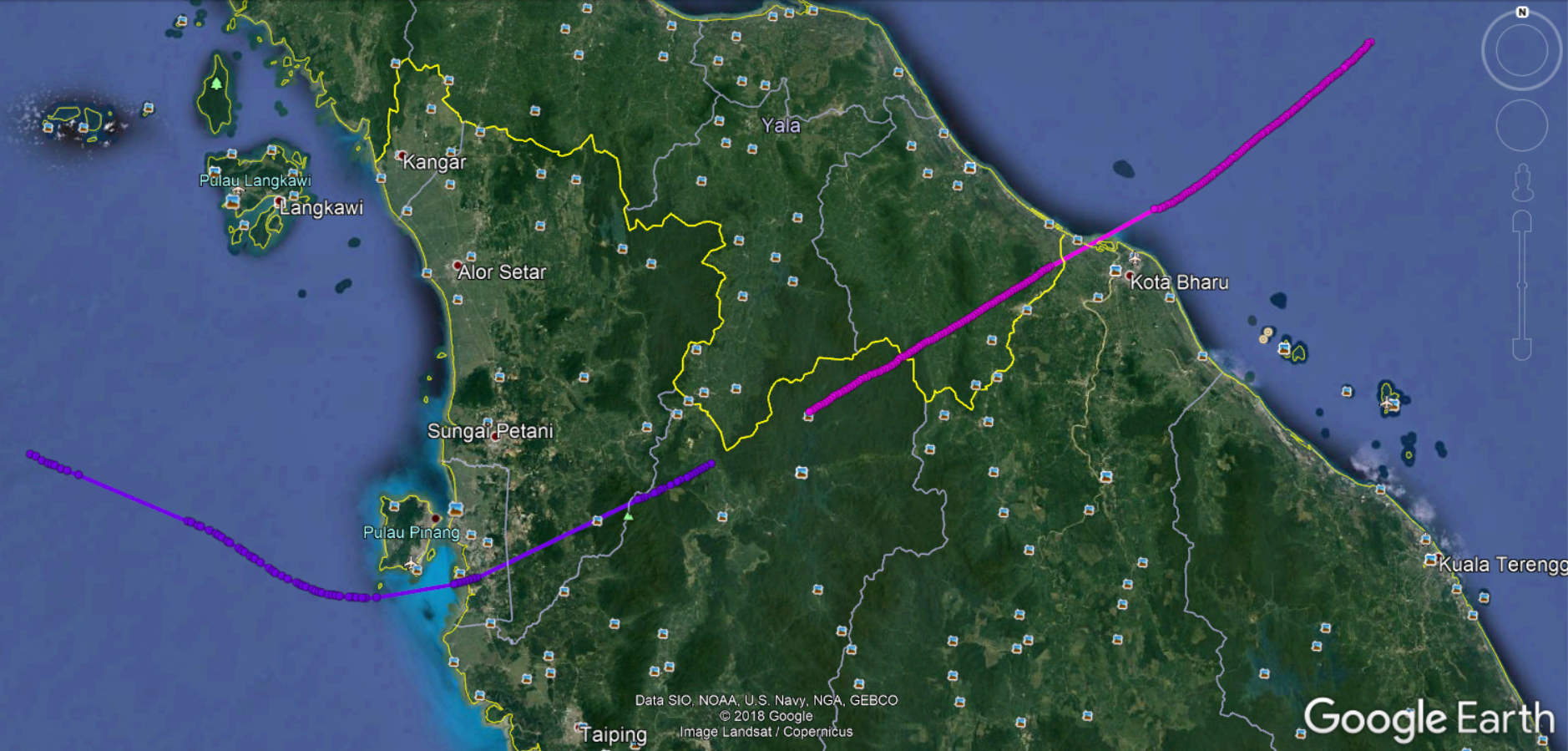
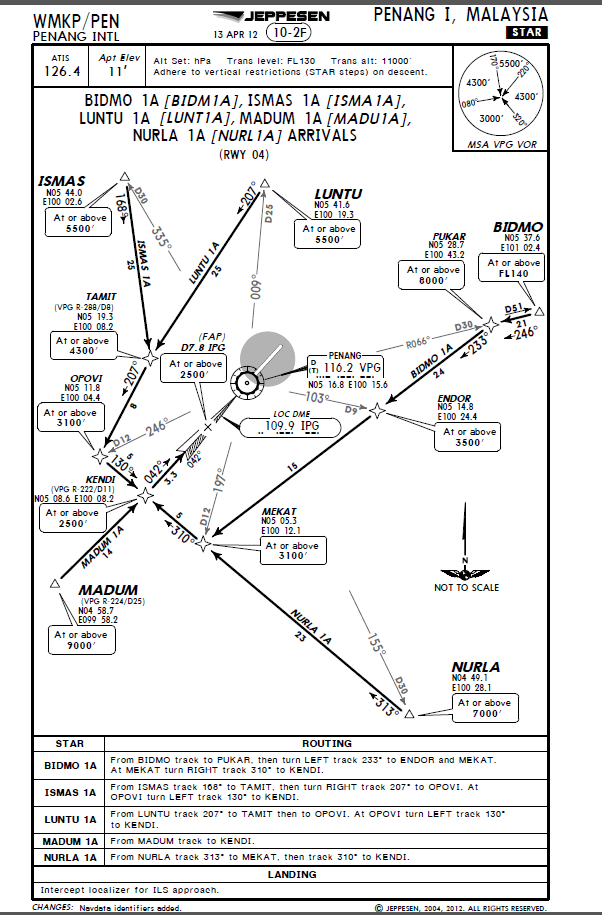
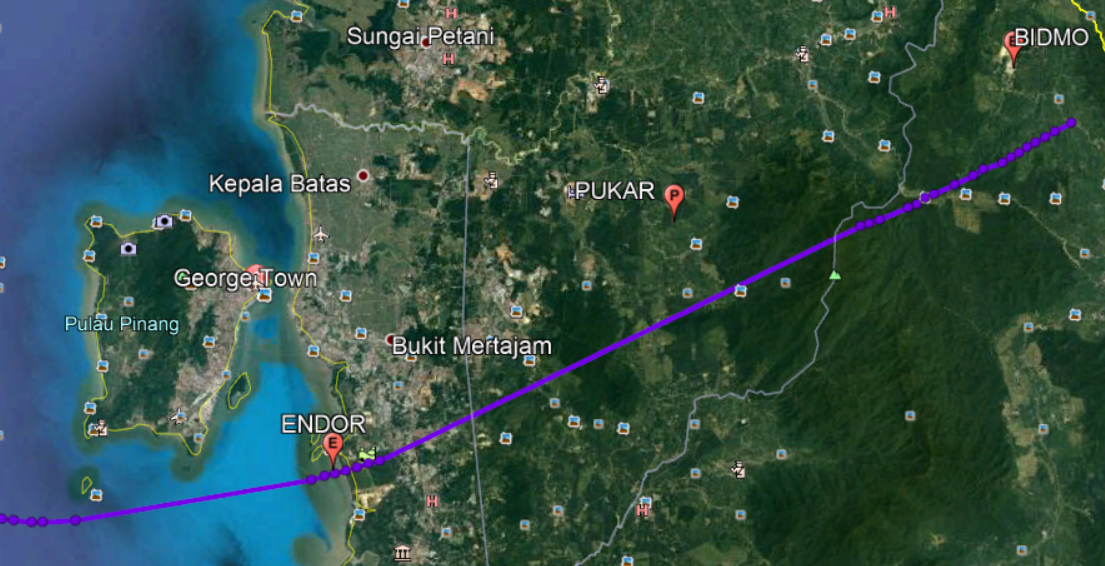
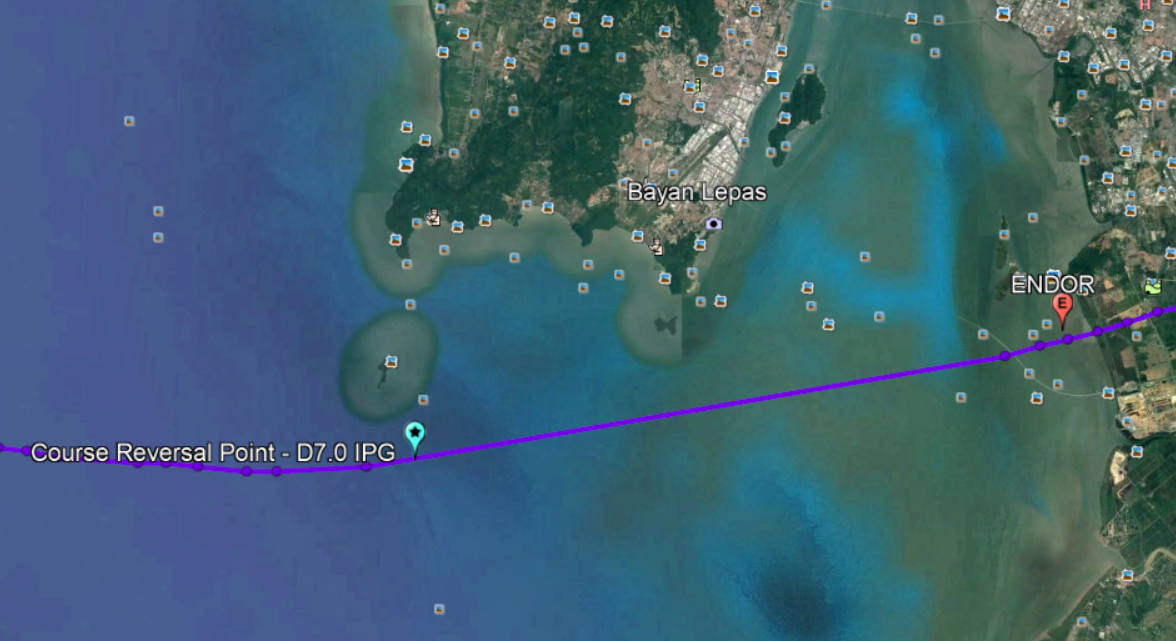
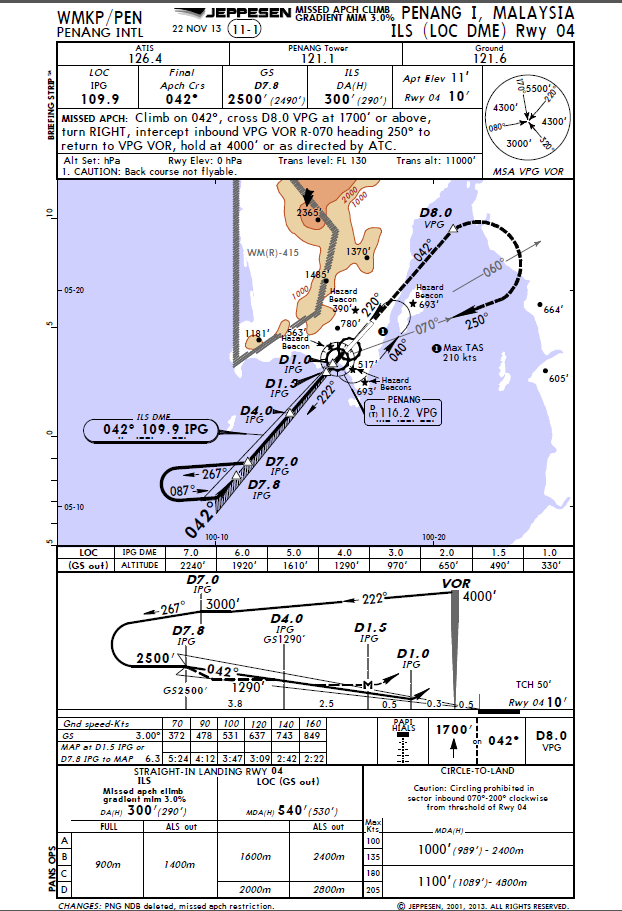
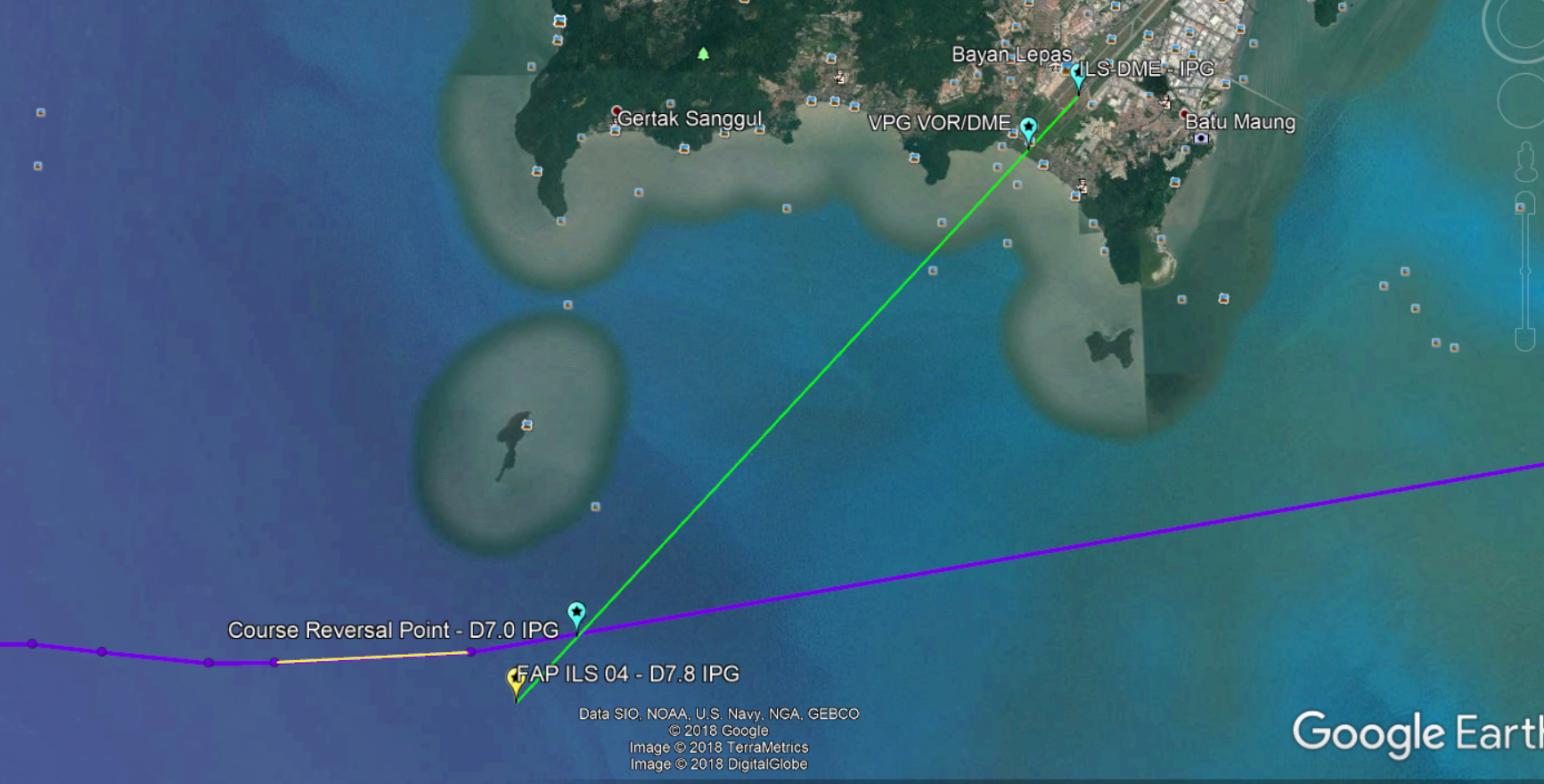
- MH370 tracked DIRECTLY OVER the waypoint ENDOR on the BIDMO 1A standard arrival procedure.
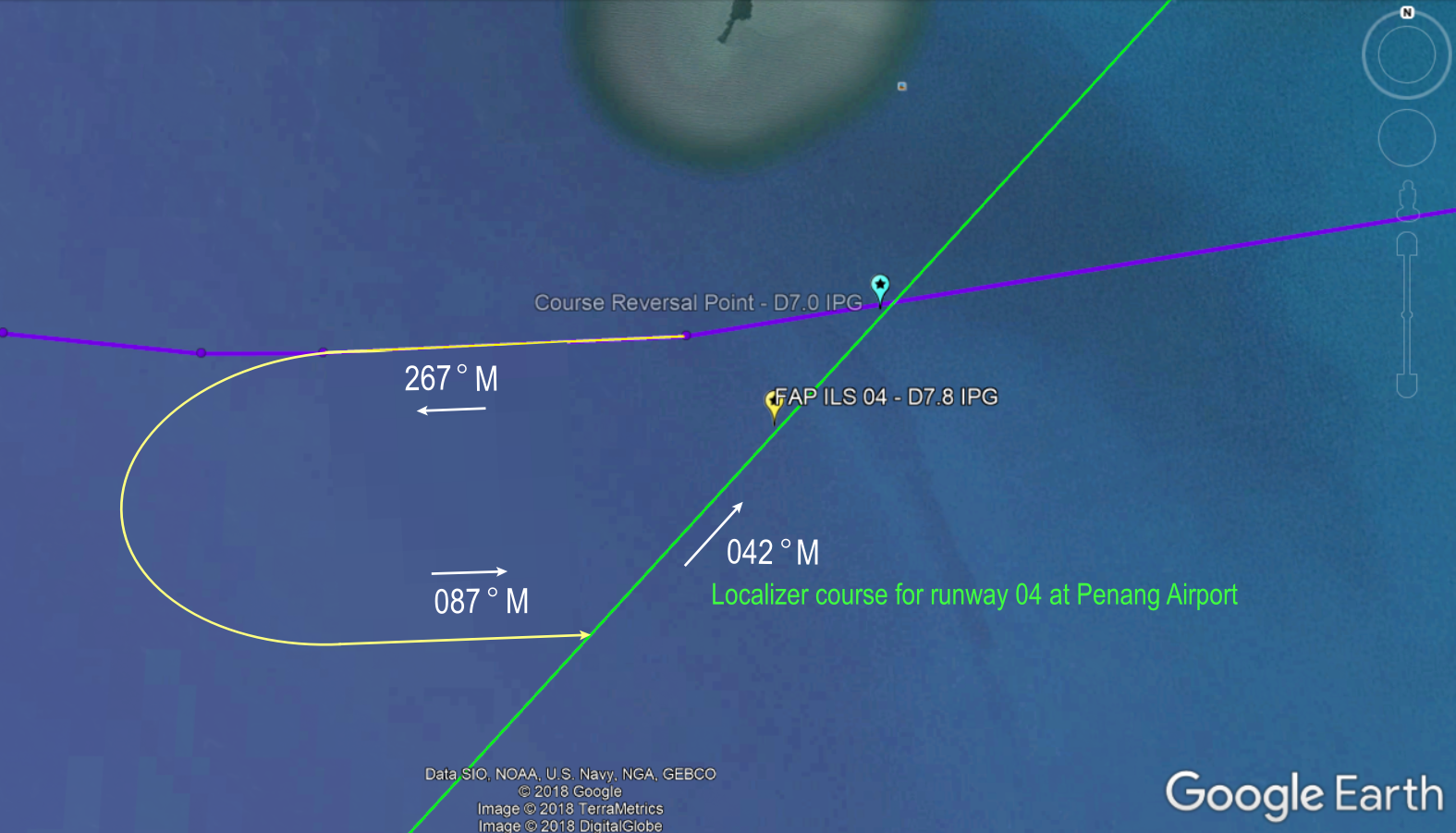
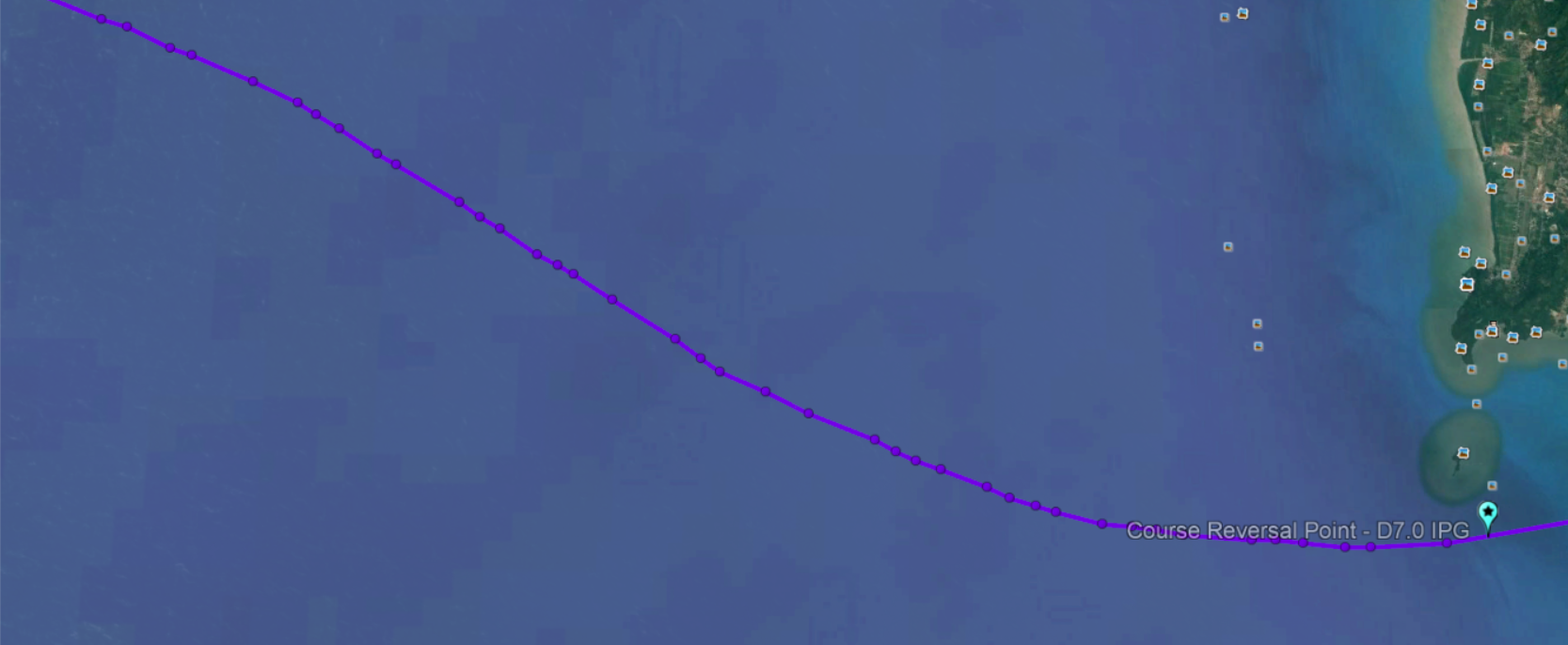
- MH370 tracked DIRECTLY OVER a point from which a course reversal procedure could be flown to enable it to line up with Penang airport’s runway 04. This point is labelled on the approach chart as D7.0 IPG.
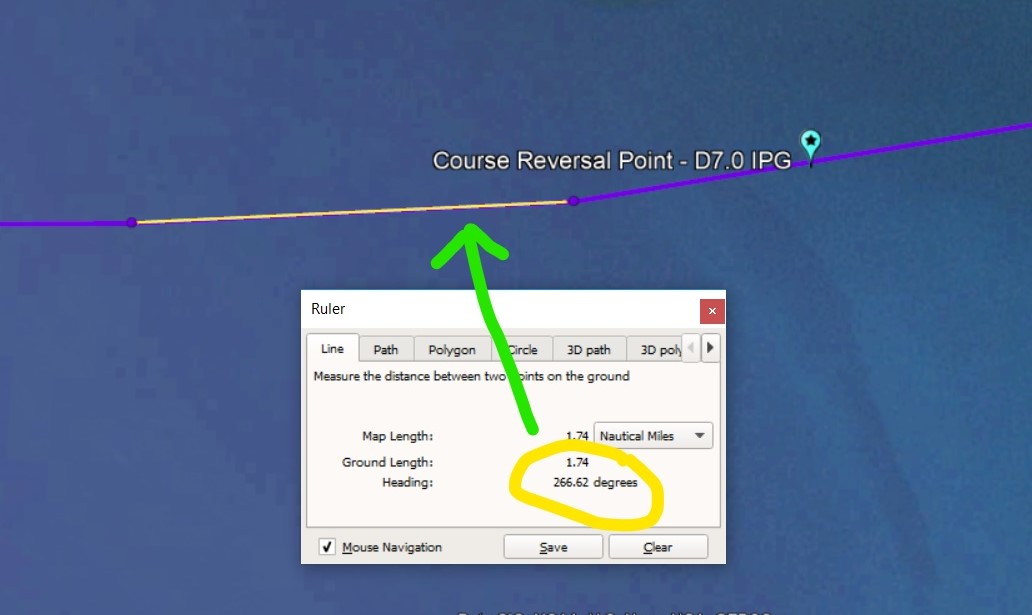
- MH370 turned right on a track of 267◦ M to commence the course reversal procedure as it was required to do as published on the instrument approach chart.
- There was frequent manipulation of the control yoke whereby the aircraft was under intermittent manual control by partially incapacitated pilots.
- The pilots were completely incapacitated and the aircraft may not have been under any positive control by anyone and was left meandering on its own accord at random, possibility resulting in a phugoid flight pattern.
- The aircraft was flying under manual control by someone with no clear direction or destination in mind.
- The possibility that MH370 was flown without the autopilot engaged after turning back from IGARI. If this is true, then this is a huge point to consider because a key assumption of the multi-million dollar search for MH370 in the Southern Indian Ocean was that it flew with at least one of the autopilot modes engaged. As mentioned in this report, the many track changes over short distances that we see from the primary surveillance radar data trace does not resemble the behavior of an aircraft that was flown with the autopilot engaged. It suggests that MH370 was under manual control for the whole time it flew back from IGARI and across Malaysia covering 262 nautical miles until its radar trace was lost. The implication of flight with autopilot disengaged is also highly significant. If a pilot, or anyone who was in control of MH370 contemplated on flying the aircraft for the next 7 hours until fuel exhaustion, they most likely would not be flying the airplane manually with the autopilot disengaged. On the other hand, there are reasons for why a pilot would fly with the autopilot disengaged, with the most likely reason being due to a systems malfunction. More about this in a later report.
- The altitude of flight level that MH370 was flying after the turn back from IGARI. This is another significant consideration as the altitude that the aircraft flew will have implications on the speed, fuel consumption and consequently the time that MH370 can remain flying, that is, it’s endurance in the air. Furthermore, not maintaining a consistent altitude during the flight would also suggest some kind of systems malfunction had occurred. It may also suggest that there was limited control input from the pilots possibly due to pilot incapacitation.